

Exploring the Evolution of Gambling Through the Ages
The Ancient Roots of Gambling
The origins of gambling can be traced back thousands of years to ancient civilizations, where it was often intertwined with religious rituals and social practices. Archaeological evidence suggests that dice were used in Mesopotamia around 3000 BC, highlighting an early form of chance-based games. The ancient Egyptians also participated in gambling activities, with various games depicted in hieroglyphics, indicating its prevalence in their society. Such practices laid the groundwork for the evolution of gambling into more structured forms, where players could enjoy options like australian pokies payid.
In ancient China, gambling games such as Keno emerged around the same time, playing a significant role in the culture and economy. The Chinese used betting as a means to raise funds for public projects, showcasing a blend of entertainment and practicality. This early gambling system not only entertained but also served to strengthen community ties, reflecting a broader societal acceptance of risk and chance.
The Greeks and Romans further refined gambling practices, creating organized betting events, including gladiator games and chariot races. These spectacles attracted large audiences, and betting became a widespread pastime among citizens. The Romans even formalized aspects of gambling through laws and regulations, which signaled its importance in both public and private life. Thus, the seeds for modern gambling were sown in these ancient cultures, influencing future generations.
The Middle Ages and the Rise of Gambling Houses
The Middle Ages marked a pivotal shift in gambling practices, characterized by the emergence of dedicated gambling houses. This period saw the development of various card games and the introduction of betting on outcomes of games, which became popular among the nobility and common folk alike. With the increased accessibility of playing cards, gambling evolved from informal gatherings to more organized venues where patrons could place bets. This transition reflected a growing societal fascination with chance and the intricacies of gambling.
Moreover, the establishment of gaming houses, particularly in Europe, became a focal point for gambling culture. These establishments offered a variety of games, attracting a wide range of clientele. The popularity of these venues was often accompanied by concerns over morality and legality, as governments sought to regulate and sometimes prohibit gambling activities. The tension between leisure and legality set the stage for future debates on gambling’s place in society, illustrating its evolving nature.
During the Renaissance, the burgeoning interest in gambling was further fueled by the exploration of new games, including the first modern lottery in the 15th century. This not only provided entertainment but also raised funds for public projects and initiatives. As gambling continued to evolve, it became clear that societal attitudes towards it were complex, oscillating between acceptance and regulation, a theme that persists to this day.
The Industrial Revolution and Gambling’s Mainstream Acceptance
The Industrial Revolution brought significant changes to gambling, introducing new technologies and cultural shifts that facilitated its mainstream acceptance. With the rise of urban centers, a new middle class emerged, providing a larger audience for gambling activities. The development of railroads made traveling to gaming establishments easier, leading to the establishment of casinos in popular tourist destinations. This era marked a turning point where gambling became an integral part of social life.
During this time, the invention of mechanical slot machines revolutionized the gambling industry, making it accessible to the masses. These machines, often found in saloons and amusement parks, attracted players with their colorful designs and the promise of instant wins. This accessibility paved the way for the establishment of gambling as a form of entertainment for people from all walks of life, moving away from its previous associations with exclusivity.
The societal acceptance of gambling continued to grow in the early 20th century, culminating in the legalization of casinos in various parts of the United States. Las Vegas emerged as a gambling hub, solidifying the idea of casinos as entertainment complexes rather than mere betting venues. This transformation reflected broader cultural changes, as gambling was embraced as a legitimate form of recreation, aligning with changing attitudes towards risk and leisure.
The Digital Revolution and Online Gambling
The advent of the internet has significantly transformed the gambling landscape, leading to the rise of online casinos and betting platforms. This shift began in the late 1990s, with the first online gambling sites emerging. The convenience and accessibility of digital gambling attracted a new generation of players, eager to engage in games from the comfort of their homes. This evolution marks a crucial point in gambling history, demonstrating its adaptability over time.
Online gambling has introduced an array of games, from poker to sports betting, expanding the options available to players. Additionally, innovations like live dealer games and virtual reality experiences have further enhanced the immersive nature of online gaming. As technology continues to evolve, the potential for new gaming experiences grows, attracting even more participants and creating diverse gaming communities worldwide.
The legal landscape surrounding online gambling has been complex, with various countries adopting different stances on its regulation. Some jurisdictions have embraced online gambling, creating frameworks for safe and responsible gaming, while others have imposed stringent restrictions. As a result, the online gambling industry is characterized by its dynamic nature, constantly adapting to technological advancements and changing societal norms, reflecting its historical evolution.
Gambling Today: A Comprehensive Overview
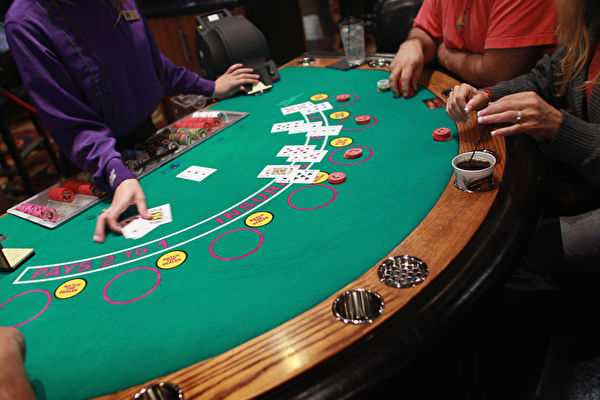
Today, gambling is more than just a pastime; it has evolved into a global industry encompassing various forms of entertainment and recreation. From traditional casinos to online platforms, the breadth of gambling options reflects its widespread acceptance and integration into modern culture. Efforts to promote responsible gambling have also increased, as stakeholders recognize the importance of protecting players from potential harm while enhancing their experience.
The online gambling sector has seen a surge in popularity, particularly among younger generations who are drawn to the convenience and diverse gaming options available. Innovations like mobile betting and cryptocurrency transactions have further streamlined the gambling experience, making it easier for players to engage with their favorite games. As such, the industry continues to flourish, adapting to technological trends and consumer preferences.
In conclusion, the evolution of gambling through the ages illustrates a fascinating journey from ancient rituals to modern online platforms. The interplay between societal attitudes, legal regulations, and technological advancements has shaped the landscape of gambling, making it a dynamic and evolving field. The future of gambling promises further innovations, ensuring that this age-old practice remains relevant and engaging for generations to come.

Join The Discussion